
Google's Pixel phones are known for one thing above all else: clean, useful, integrated AI features. The Pixel 11 builds on everything the Pixel 10 got right, with a smarter chip, a sharper camera and upgraded Android 17 – but is it enough to make last year's brilliant Pixel 10 feel like old news?
In this comparison, we'll walk you through how the Google Pixel 11 and the Google Pixel 10 stack up, covering everything from design and display to software and cameras, so you can decide which one deserves a spot in your pocket.
Features we love
- The Pixel 11's Tensor G6 chip is Google’s fastest, most powerful chip yet, so everyday tasks and Gemini features feel that bit snappier.
- Super Res Zoom now stretches to 30x on the Pixel 11, up from 20x on the Pixel 10, thanks to a larger, more light-sensitive main sensor.
- Both phones share the same gorgeous 6.3-inch Actua display, so you’ll enjoy brilliant, vibrant visuals whichever one you choose.
- Seven years of OS, security and Pixel Drop updates come as standard on both handsets, so whichever you choose, it's built to last.
Table of content
| Google Pixel 11 | Google Pixel 10 | |
|---|---|---|
| Release date | 20th August 2026 | 28th August 2025 |
| Dimensions | 152.8 x 72.0 x 8.6mm | 152.8 x 72.0 x 8.6mm |
| Colourways | Frost, Hibiscus, Pistachio, Obsidian | Indigo, Frost, Lemongrass, Obsidian |
| Weight | 197g | 204g |
| Display size & resolution | 6.3-inch Actua OLED display (1080 x 2424) | 6.3-inch Actua OLED display (1080 x 2424) |
| OS | Android 17 | Android 16 |
| Refresh rate | 60-120Hz | 60-120Hz |
| Storage | 256GB or 512GB | 128GB or 256GB |
| CPU | Google Tensor G6 | Google Tensor G5 |
| RAM | 12GB | 12GB |
| Battery | 4,985mAh | 4,970mAh |
| Rear cameras | 48MP wide + 13MP ultrawide + 10.8MP 5x telephoto | 48MP wide + 13MP ultrawide + 10.8MP 5x telephoto |
| Front cameras | 10.5MP | 10.5MP |
| IP rating | IP68 | IP68 |
Design
Side by side, you'd be forgiven for not spotting the difference between the Pixel 11 and Pixel 10 straight away. Google has kept the dimensions identical between the two generations, right down to the millimetre, so if you're upgrading from a Pixel 10, the Pixel 11 will feel instantly familiar. That said, the Pixel 11 does shed a few grams, coming in at 197g compared to the Pixel 10's 204g, which is a small but welcome change if you're after something a little lighter for all-day carrying.
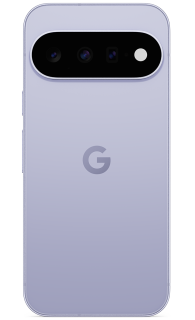
The real design shift is around the back. Google has expanded the Pixel 10's pill-shaped camera island to an all-glass camera bar that spans the width of the phone. It's also been slimmed down in the process, too, giving the Pixel 11 a more refined, cohesive look.
Both phones share the same Gorilla Glass Victus 2 protection and IP68 dust and water resistance, so you're covered for those everyday accidents. Colour-wise, the Pixel 11 swaps out the Pixel 10's Indigo and Lemongrass for two fresh, and very on-trend options in Pistachio and Hibiscus, alongside the returning Frost and Obsidian. So, whether you like to keep it timeless or if you fancy something with a bit more personality, there's something for everyone.
Display
When it comes to display, there's nothing that really separates these two phones. Both the Pixel 11 and Pixel 10 use the same 6.3-inch Actua OLED panel, with identical 1080 x 2424 resolution and a smooth 60-120Hz adaptive refresh rate. Peak brightness tops out at 3,000 nits on both, so whether you're checking messages indoors or trying to read your screen in direct sunlight, you'll get the same crisp, vivid results.
It's a case of "if it ain't broke, don't fix it" from Google here. The Pixel 10's screen was already one of the best in its class, so carrying it over to the Pixel 11 unchanged isn't a bad thing; it just means the display alone might not be reason enough to upgrade.
Performance
Performance is where the Pixel 11 really shines. Powering the new model is Google's own Tensor G6 chip, a step up from the Pixel 10's Tensor G5, bringing a genuinely useful jump in efficiency alongside faster everyday performance. Expect quicker browsing, snappier app loading and Gemini features that respond that little bit faster, whether you're using Gemini Live or any of the new AI features on the Pixel 11.
The Pixel 10's Tensor G5 is by no means slow, handling day-to-day multitasking, gaming and scrolling without any lag. Google's custom AI-first chips are built to run Pixel's expansive AI toolkit smoothly, and on both phones, that's exactly what you get. But, if snappier performance matters to you, the Tensor G6 gives the Pixel 11 an edge.
Software and AI
Both phones share that clean, helpful Pixel software experience that's made Google's AI features some of the best in the business, with the Pixel 11 running on Android 17 straight out of the box, compared to the Pixel 10's Android 16.
Gemini remains at the heart of both handsets, powering everything from Circle to Search to Live Translate and Call Assist. Google's promise of seven years of OS, security and Pixel Drop updates also applies equally to both models, so neither phone will be left behind any time soon.
Where the Pixel 11 ever-so-slightly pulls ahead is with its newer camera-focused AI tools. Magic Capture, which pulls the best frames from a video and turns them into individual photos, and Camera Looks, which lets you tweak the mood and style of your shots in a tap, are both exclusive to the Pixel 11. They're a genuinely fun addition if you like to experiment with your photography, and a good example of Google finding new, practical uses for on-device AI rather than just adding features for the sake of it.
Battery
Battery capacity doesn't see much of a change between these phones, with the Pixel 11's 4,985mAh battery only marginally larger than the Pixel 10's 4,970mAh. But thanks to the more efficient Tensor G6 chip, Google quotes 30+ hours of battery life on the Pixel 11, compared to 24+ hours on the Pixel 10, helping you run that little bit longer without needing a top-up.
When it comes to charging, wired charging speeds are identical on both phones, getting you to around 55% in 30 minutes. Wireless charging is where the Pixel 11 takes the advantage, supporting Pixelsnap charging at up to 25W thanks to Qi2.2 certification, compared to 15W Qi2 wireless charging on the Pixel 10. If you're planning to lean on Pixelsnap charging day to day, that faster wireless top-up on the Pixel 11 is a genuine perk.
Security
These days, phone security matters more and more when it comes to picking a handset, and Google gets this. You're getting strong security across the board on both the Pixel 11 and the Pixel 10 with end-to-end protection designed by Google, a built-in VPN at no extra cost, and Google's anti-malware, anti-phishing and scam protection tools.
The key difference comes down to the chip. The Pixel 10 pairs its Tensor G5 with the Titan M2 security coprocessor, while the Pixel 11 includes the newer Titan M3. It's a future-proofed upgrade that's designed to protect your data against increasingly sophisticated threats, making it a reassuring addition.
Cameras
On paper, the Pixel 11 and Pixel 10 share the same triple rear camera setup: a 48MP wide lens, 13MP ultrawide, and 10.8MP telephoto lens. But look a little closer, and the Pixel 11 has actually upgraded the hardware that matters most for photo quality. Its main sensor is physically larger than the Pixel 10's, letting in more light for noticeably better results in dim conditions – exactly the kind of scenario where the Pixel 10's camera has occasionally struggled.
Zoom is another clear win for the Pixel 11, with Super Res Zoom stretching to 30x, compared to 20x on the Pixel 10. Whether you're capturing distant details on a hike or getting closer to the action at a gig, that extra reach makes a real difference.
Summary
The Google Pixel 11 and Google Pixel 10 are more alike than different, and that's no bad thing; both offer a brilliant display, dependable all-day battery life, and Google's best-in-class AI features. If you already own a Pixel 10, the upgrades on offer probably won't feel essential just yet, but if you're coming from an older phone, the Pixel 11's larger sensor, Tensor G6 chip and Titan M3 security make it the smarter long-term buy.
Want to explore more top-tier Google handsets? Browse our guide to the best Pixel phones of 2026.

Google Pixel 11 and Google Pixel 10 FAQs
Yes, both the Pixel 11 and Pixel 10 support Pixelsnap wireless charging.
If you already own a Pixel 10, the Pixel 11's upgrades are more of a refinement than a reinvention, so it's not an essential swap. However, if you're due an upgrade from an older phone, the Pixel 11's faster chip, larger camera sensor and longer zoom range make it a worthwhile step up.
Neither phone is fully waterproof, but both the Pixel 11 and Pixel 10 carry an IP68 rating, meaning they can withstand accidental splashes and being submerged in up to 1.5 metres of fresh water for up to 30 minutes.
Yes, both the Google Pixel 11 and Google Pixel 10 support 5G connectivity, so you can enjoy the 5G experiencewherever you're covered by an iD Mobile 5G signal.
